Creating a home office space that is both cozy and functional can significantly enhance your productivity and overall well-being. Whether you work remotely full-time or occasionally bring your tasks home, having a dedicated, well-designed area can make all the difference. In this post, we’ll explore practical tips to help you design a home office that feels inviting without sacrificing efficiency.
Why Your Home Office Design Matters
A thoughtfully designed workspace supports concentration, reduces stress, and encourages good work habits. When your office feels comfortable and looks organized, you’re more likely to enjoy your work, maintain focus, and set clear boundaries between your professional and personal life.
Choose the Right Location
Consider Natural Light
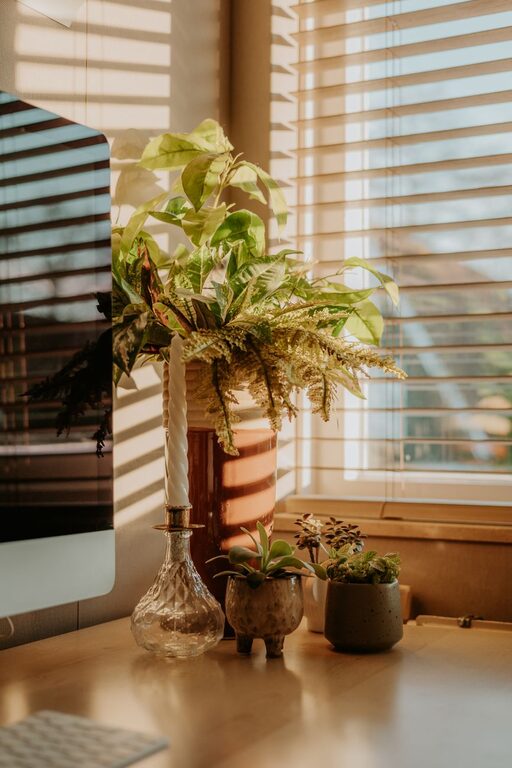
If possible, set up your office near a window to take advantage of natural light. Sunlight boosts mood and energy, and having a view outside can provide refreshing breaks for your eyes.
Minimize Distractions
Select a quiet spot away from household activity. If space is limited, use room dividers or noise-canceling headphones to create a peaceful environment.
Invest in Ergonomic Furniture
Your comfort is essential, especially if you spend long hours at your desk.
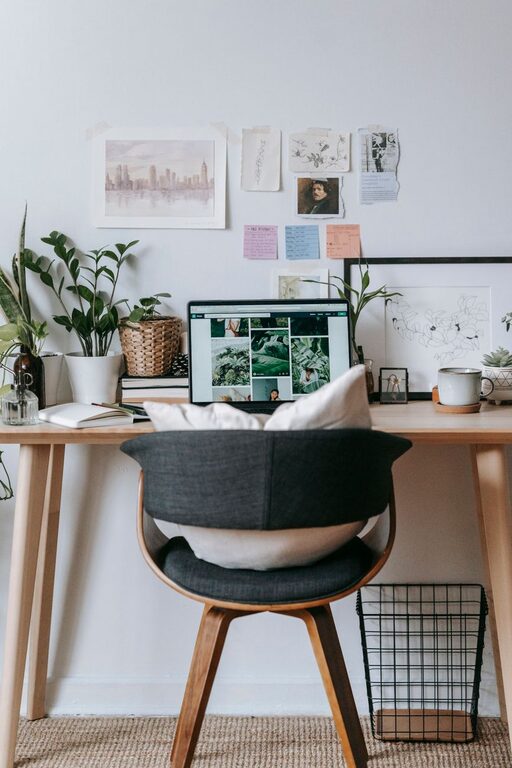
– Chair: Choose an ergonomic chair that supports your back and encourages good posture.
– Desk: Select a desk at the right height for your work style. Adjustable desks that allow you to alternate between sitting and standing are a bonus.
– Accessories: A keyboard tray or wrist rest can prevent strain.
Optimize Lighting
Good lighting reduces eye strain and creates a pleasant atmosphere.
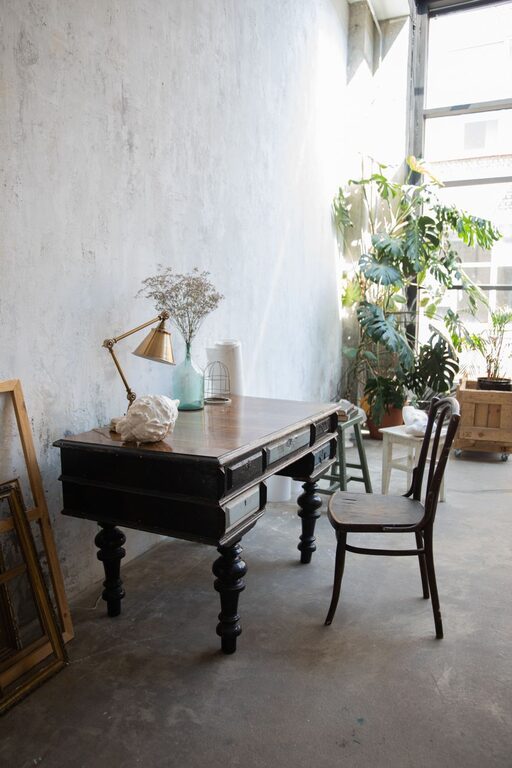
– Layered Lighting: Combine overhead fixtures with task lighting, such as a desk lamp.
– Warm Bulbs: Opt for bulbs that emit warm, soft light to make the space feel cozy.
– Adjustability: Consider lamps with adjustable brightness or angles for flexibility.
Organize Efficiently
An uncluttered workspace helps maintain focus and efficiency.
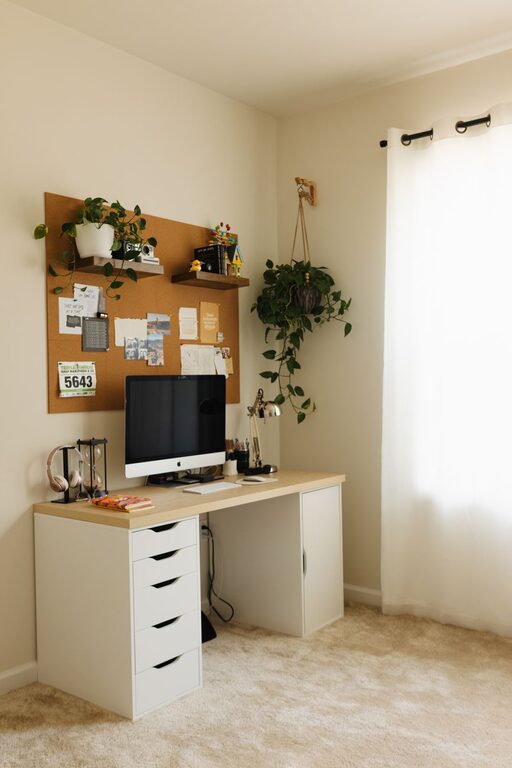
– Storage Solutions: Use shelves, drawers, and filing cabinets to keep supplies organized and within reach.
– Desk Organization: Trays, pen holders, and cable management tools prevent desktop clutter.
– Digital Declutter: Keep your computer files and email inbox organized to reduce digital distractions.
Add Personal Touches
Making your office inviting encourages you to spend time there.
– Decor: Choose artwork, plants, or rugs that reflect your style and add warmth.
– Comfort Items: A cozy throw blanket, cushions, or a small diffuser with pleasant scents can boost comfort.
– Color Scheme: Soothing colors like soft blues or greens promote calmness, but choose what makes you feel best.
Maintain Clear Boundaries
Separating work from personal life is essential for balance.
– Defined Space: Even a small desk in a corner can serve as a dedicated work zone.
– Signaling: When you’re working, close the door or use a sign to minimize interruptions.
– Routine: Establish regular work hours and stick to them.
Technology Setup
Reliable technology supports smooth workflow.
– Internet: Ensure a strong and stable internet connection.
– Equipment: Use quality monitors, keyboards, and headphones that suit your work needs.
– Backup: Have a plan for data backup and security.
Keep It Clean and Fresh
Regular cleaning keeps your workspace inviting and hygienic.
– Daily Tidy: Spend a few minutes at the end of the day organizing your desk.
– Air Quality: Open windows when possible or use an air purifier to keep the air fresh.
– Plants: Indoor plants improve air quality and boost mood.
Conclusion
Designing a cozy and functional home office is about balancing comfort and practicality. By choosing the right location, investing in ergonomic furniture, optimizing lighting, staying organized, and adding personal touches, you can create a space that supports your productivity and well-being. Remember, a well-designed home office not only makes work more enjoyable but also helps you maintain a healthy work-life balance. Start small with these tips and gradually tailor your space as you discover what works best for you.
About the Author