Creating a home office that feels both cozy and functional can greatly enhance your work-from-home experience. Whether you’re setting up a dedicated room or carving out a nook in your living space, thoughtful design and organization can boost productivity while keeping you comfortable. In this post, we’ll explore practical tips to help you craft a workspace you enjoy spending time in.
Choose the Right Location
The first step in setting up your home office is picking the best spot. Ideally, find a quiet area with minimal distractions. If possible, choose a room with a door to help separate work from leisure. Natural light is a bonus, as it can improve mood and reduce eye strain.
If space is limited, consider unused corners, a section of your bedroom, or even a part of your dining room. Using room dividers or screens can help create visual boundaries that define your workspace.
Prioritize Ergonomic Furniture
Comfort is key when you’re spending hours at a desk. Investing in ergonomic furniture supports good posture and prevents discomfort. Here are a few essentials:
– Desk: Choose a desk that fits your space and allows enough room for your computer, notebooks, and other tools.
– Chair: Opt for an adjustable chair with lumbar support to keep your back healthy.
– Keyboard and Monitor: Position your keyboard and monitor at a height that keeps your wrists straight and your eyes level with the screen.
Standing desks or adjustable sit-stand converters are also popular options to vary your posture throughout the day.
Optimize Lighting
Proper lighting is essential for eye health and energy. Here’s how to improve it in your workspace:
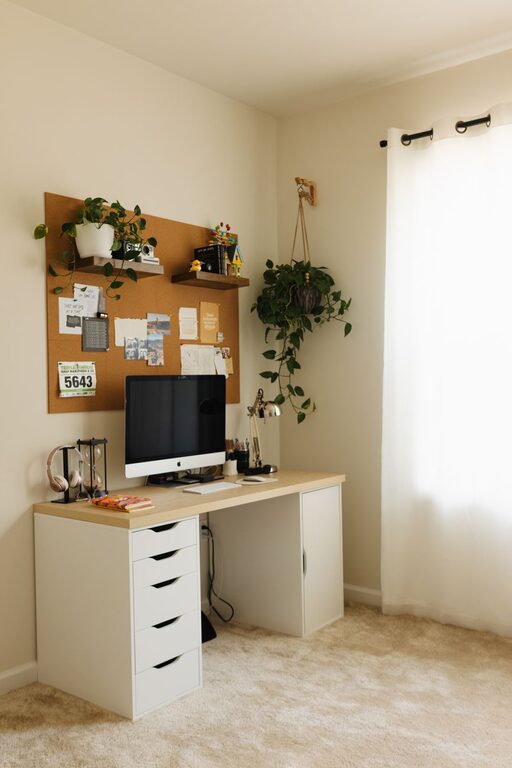
– Natural Light: Position your desk near a window if possible. Use sheer curtains to soften direct sunlight.
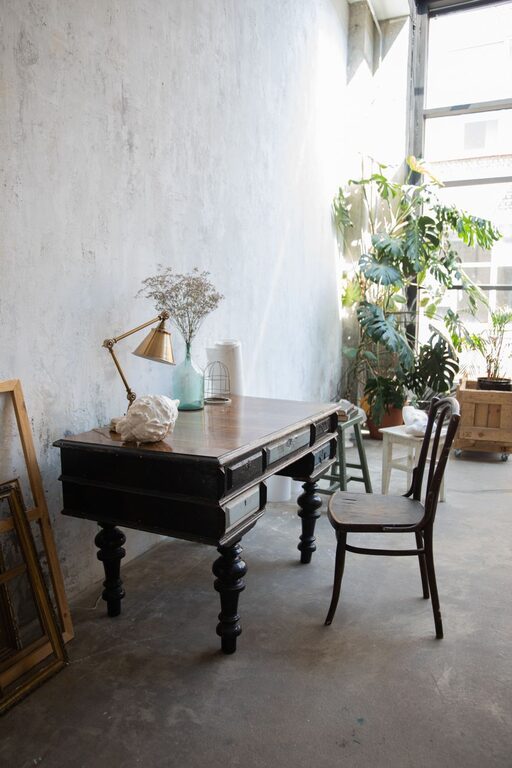
– Task Lighting: Use a desk lamp with adjustable brightness to illuminate your work area without glare.
– Ambient Lighting: Keep the overall room bright to prevent strain when moving between tasks.
Using warm-colored bulbs can add to the cozy atmosphere, while cooler light mimics daylight and promotes alertness.
Keep Your Space Organized
Clutter can be distracting and reduce productivity. Create an organizational system that works for you:
– Storage Solutions: Use shelves, filing cabinets, and drawer organizers to keep documents and supplies tidy.
– Cable Management: Use clips, ties, or cable sleeves to keep cords neat and out of sight.
– Daily Clean-Up: Spend a few minutes at the end of each day clearing your desk, preparing you for a fresh start.
Labeling your storage areas and maintaining a minimalistic approach can go a long way in keeping your office orderly.
Add Personal Touches
Making your workspace inviting can motivate you to work more efficiently. Personal touches don’t need to be distracting; they simply make the space feel yours.
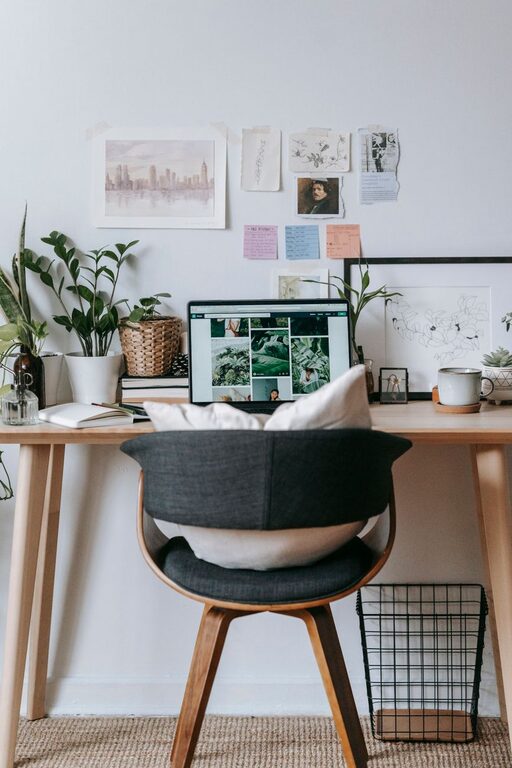
– Artwork or Photos: Hang framed prints or photos that inspire you.
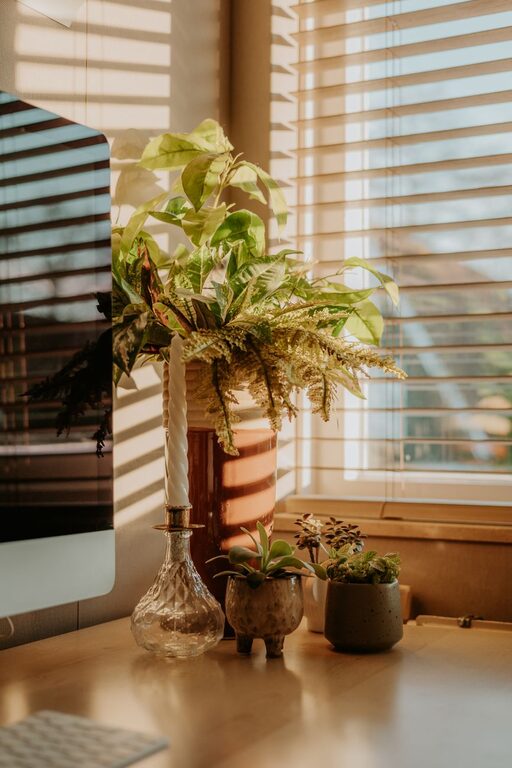
– Plants: Add greenery to improve air quality and bring life to your office.
– Soft Textiles: Consider a cozy rug, cushions, or a throw blanket for added warmth.
Using colors that you find calming or energizing can also influence your mood positively.
Incorporate Functional Technology
Technology is critical for a modern home office. Here’s how to set up your tech for smooth workflows:
– Reliable Internet: A strong Wi-Fi connection is essential. Consider wired connections if your signal is weak.
– Peripherals: Use quality headphones, a microphone, or a webcam for virtual meetings.
– Charging Stations: Keep all your devices charged and ready with designated chargers or docks.
Regularly update your software and keep backups to avoid unexpected data loss.
Create Boundaries Between Work and Home Life
Maintaining a healthy work-life balance is important. Setting boundaries within your home office helps:
– Designated Work Hours: Stick to a schedule that separates working time from personal time.
– Visual Cues: Close the office door or pack away work materials when the day ends.
– Break Area: If space allows, have a separate spot where you can relax during breaks.
These habits help maintain focus during work hours and unwind afterwards.
Final Thoughts
Designing a home office that balances comfort and functionality doesn’t have to be complicated. By selecting the right location, investing in ergonomic furniture, optimizing lighting, keeping the space organized, adding personal touches, embracing technology, and setting clear boundaries, you can create an environment that supports your productivity and well-being. Enjoy your cozy, efficient workspace!
About the Author