Creating a cozy and functional home workspace is essential for staying productive and comfortable throughout the workday. Whether you’re working remotely full-time or need a dedicated area for occasional tasks, designing a space that suits your needs can make a big difference in your focus and overall well-being.
In this post, we’ll explore practical tips to help you create a home workspace that feels inviting and supports your workflow, no matter the size or budget.
Choose the Right Location
Consider Natural Light and Quiet
Selecting the best spot in your home for your workspace sets the foundation for comfort and functionality. Ideally, pick a location with plenty of natural light, which helps reduce eye strain and improves mood. If possible, position your desk near a window where you can enjoy daylight without glare on your screen.
Also, think about noise levels. A quiet corner or a spare room can help minimize distractions and create a calm environment for concentration.
Maximize Available Space
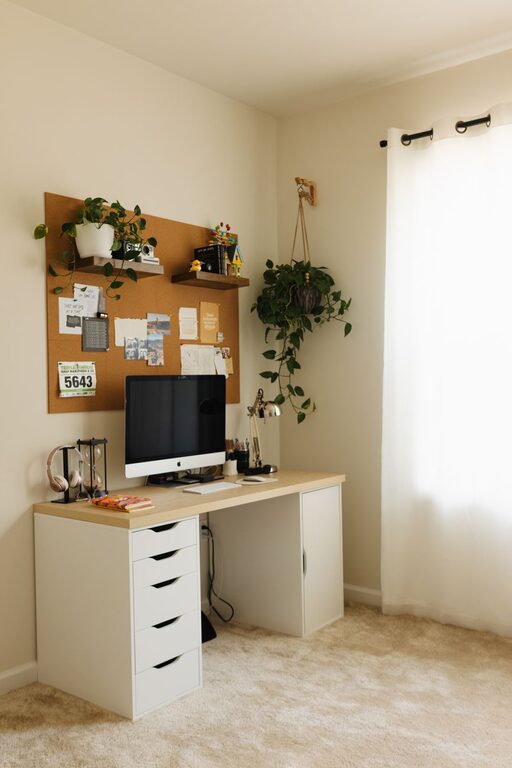
If you don’t have a dedicated room for your workspace, choose a less-used nook or corner. Use furniture that fits the area without overcrowding it. Vertical storage and wall-mounted shelves can help keep the space organized without taking up too much floor space.
Invest in Comfortable and Ergonomic Furniture
Desk and Chair Matter
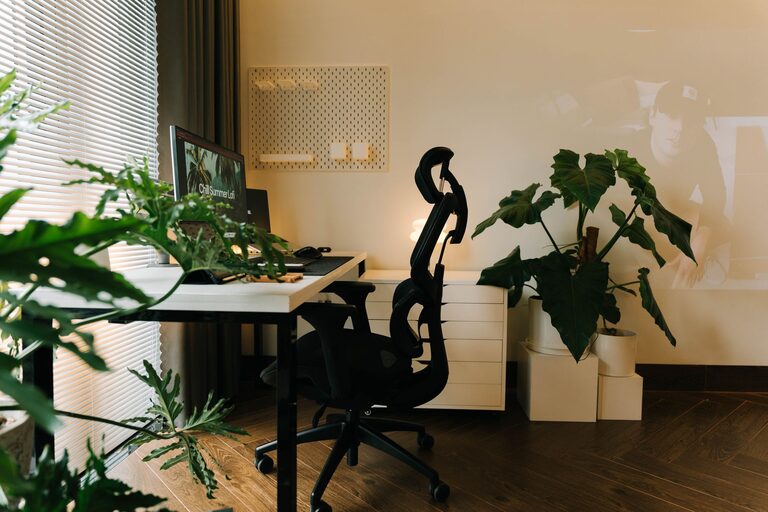
Your desk and chair are key elements for comfort and productivity. Choose a chair with good lumbar support and adjustable height. This helps maintain proper posture and reduces fatigue during long hours of work.
For the desk, consider size and height that suit your tasks. A desk with enough surface area for your computer, notes, and other essentials will keep everything within reach.
Add Adjustable Lighting
Even with natural light, it’s important to have good task lighting. Desk lamps with adjustable brightness allow you to tailor lighting to different times of day and reduce eye strain.
Organize Your Workspace for Efficiency
Keep Essentials Within Reach
Arrange frequently used items like pens, notebooks, and chargers nearby. Desk organizers, pencil holders, or small trays help keep your tools tidy and accessible.
Use Cable Management Solutions
Wires and cables can quickly become tangled and untidy. Use cable clips, sleeves, or under-desk organizers to keep cords neat and prevent clutter.
Incorporate Storage Options
Drawers, filing cabinets, or shelves provide space for paperwork, books, and supplies. Keeping these out of sight helps your workspace feel clean and distraction-free.
Personalize Your Space
Add Comfort Elements
Including cozy touches makes your workspace inviting. Consider a soft throw blanket, a cushion for your chair, or a comfortable rug underfoot. These details create a warm atmosphere that makes working more enjoyable.
Decorate Thoughtfully
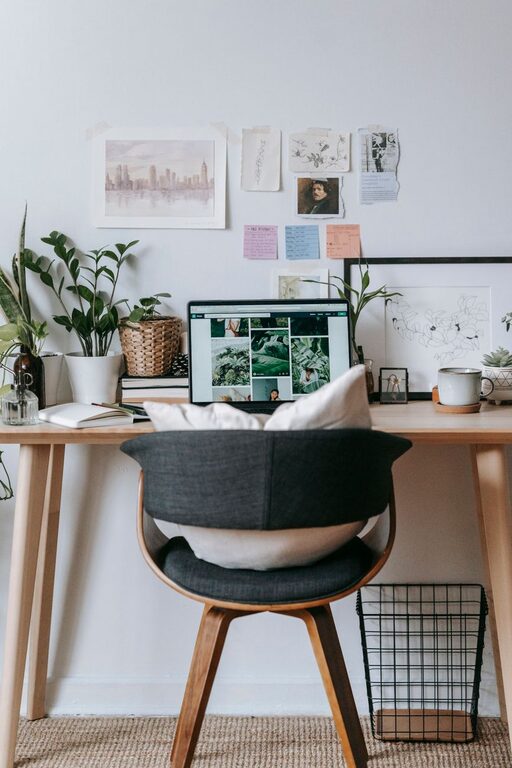
Add artwork, inspirational quotes, or plants that uplift your mood without overwhelming the area. Greenery is a popular choice because plants improve air quality and bring a calming natural element to the room.
Incorporate Technology Wisely
Use Quality Equipment
Invest in a reliable computer, keyboard, and mouse that suit your needs. Additional accessories like a monitor stand or external webcam can enhance comfort and efficiency.
Keep Tech Clutter Minimal
Limit the number of gadgets on your desk to essentials. Storing devices not in use helps maintain a clean and focused environment.
Create Boundaries to Support Focus
Define Work Hours and Space
If your workspace is part of a shared area, make it clear when you need to focus. Using visual cues such as a “do not disturb” sign can help others respect your working time.
Take Breaks and Move Around
Set reminders to take regular breaks for stretching and rest. This helps prevent fatigue and keeps your workspace feeling lively rather than confining.
Maintain Your Workspace Regularly
Clean and Declutter Often
At the end of each day, take a few minutes to tidy your workspace. Removing unnecessary items and wiping surfaces keeps the area fresh and ready for tomorrow.
Reassess Setup Periodically
As your work habits change, your workspace may need adjustments. Be open to rearranging furniture, switching up lighting, or adding new storage solutions to improve comfort and productivity.
—
Creating a cozy and functional home workspace is about blending comfort, organization, and personal style. With careful planning and simple changes, you can design a space that supports your best work while feeling inviting and pleasant every day.
About the Author